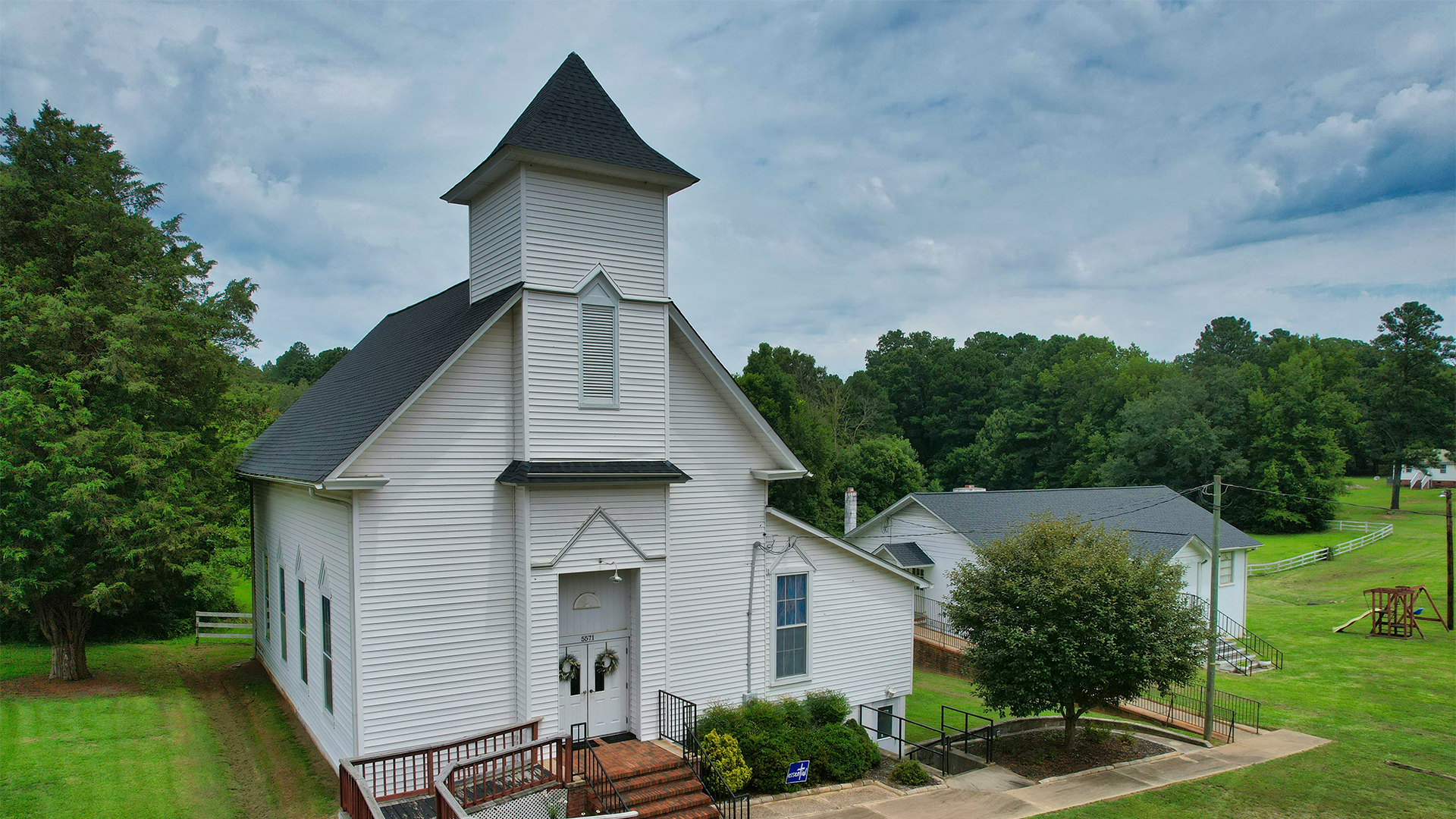
How do geography, population change and spiritual need shape church planting in North Carolina? SendNC planters and sending churches can join God at work where the need is great and doors are open.
Church planting takes on unique forms shaped by geography, demographic changes, culture and the way God is moving in a given region. In North Carolina, church planting carries its own distinct character influenced by the state’s diversity, rapid population shifts and a particular spiritual need. For SendNC planters and sending churches discerning where God might be at work next, understanding these distinctive realities offers clarity and opportunity.
From Murphy to Manteo
North Carolina’s varied landscape creates varied ministry contexts. From the Blue Ridge Mountains to the coast, from rural towns to expanding urban centers and suburbs, the state offers a mix of ministry environments. In many places, older, slower-paced communities sit right beside vibrant, fast-changing ones.
A planter in Asheville might navigate a culture shaped by artistic communities and seasonal tourism. An urban planter in Charlotte or Raleigh engages residents from around the globe, including many international students. Suburban church plants minister to families juggling busy schedules. Every context requires deep relational investment as neighbors become friends.
This mixture means that church planting in North Carolina cannot rely on a single strategy or model. Instead, planters must understand the concerns and opportunities unique to each context, and sending churches must be ready to support them with tailored resources, prayer and encouragement.
Rapid growth and shifting spiritual landscape
North Carolina continues to experience significant population growth, making it fertile ground for gospel advance. The state’s population has surpassed 11 million people, with thousands moving in each year — among the largest numeric increases in the nation. Between July 2024 and July 2025, North Carolina added more than 145,000 new residents, ranking third among the top states by numeric growth.
This rise is driven largely by domestic migration as people relocate for jobs, family and quality of life. Cities such as Charlotte and Raleigh are among the fastest-growing urban centers in the Southeast, and many smaller towns and suburbs are also expanding rapidly.
Alongside population growth is a deepening spiritual need. While North Carolina sits in what some still call the “Bible Belt,” many residents are spiritually distant: dechurched, not connected to a local church, or shaped more by cultural Christianity than a life-transforming relationship with Jesus. Younger generations, in particular, are less likely to identify with religious institutions, presenting both a challenge and a mission opportunity for church plants seeking to make disciples across every age group and background.
The mission field is here.
SendNC’s distinctive approach: Local, relational, sustained
Recognizing these realities, SendNC’s mission to plant churches everywhere for everyone is fueled by the opportunities and needs of this state. What sets SendNC apart is how it engages planters and churches.
Local first: SendNC is church planting for North Carolina by North Carolina. While partnered with the North American Mission Board’s Send Network, its roots and primary commitment are local. This means planters benefit from both national strategy and deep local understanding: ministry models finely tuned to the communities they serve.
We walk with you: SendNC teams walk alongside planters and sending churches through every stage: assessment, orientation, training, coaching and care. This relational approach means planters have committed prayer partners, ministry coaches and fellow leaders who understand the unique challenges of ministry in North Carolina.
Sustainable support: Caring for planters and church plants is essential to their health and growth. SendNC emphasizes long-term health through residencies, sending labs and ongoing care networks. These structures help church planters grow not only in strategy, but in spiritual maturity, pastoral health and community support.
From diverse ministry contexts and rapid population growth to cultural shifts and spiritual openness, North Carolina presents both complex challenges and abundant opportunities. Through SendNC’s local, relational and sustained approach, churches and planters are equipped not only to launch new congregations, but to see them thrive in making disciples and advancing the gospel.
Learn more about church planting with SendNC at sendnc.org.
By SendNC Staff