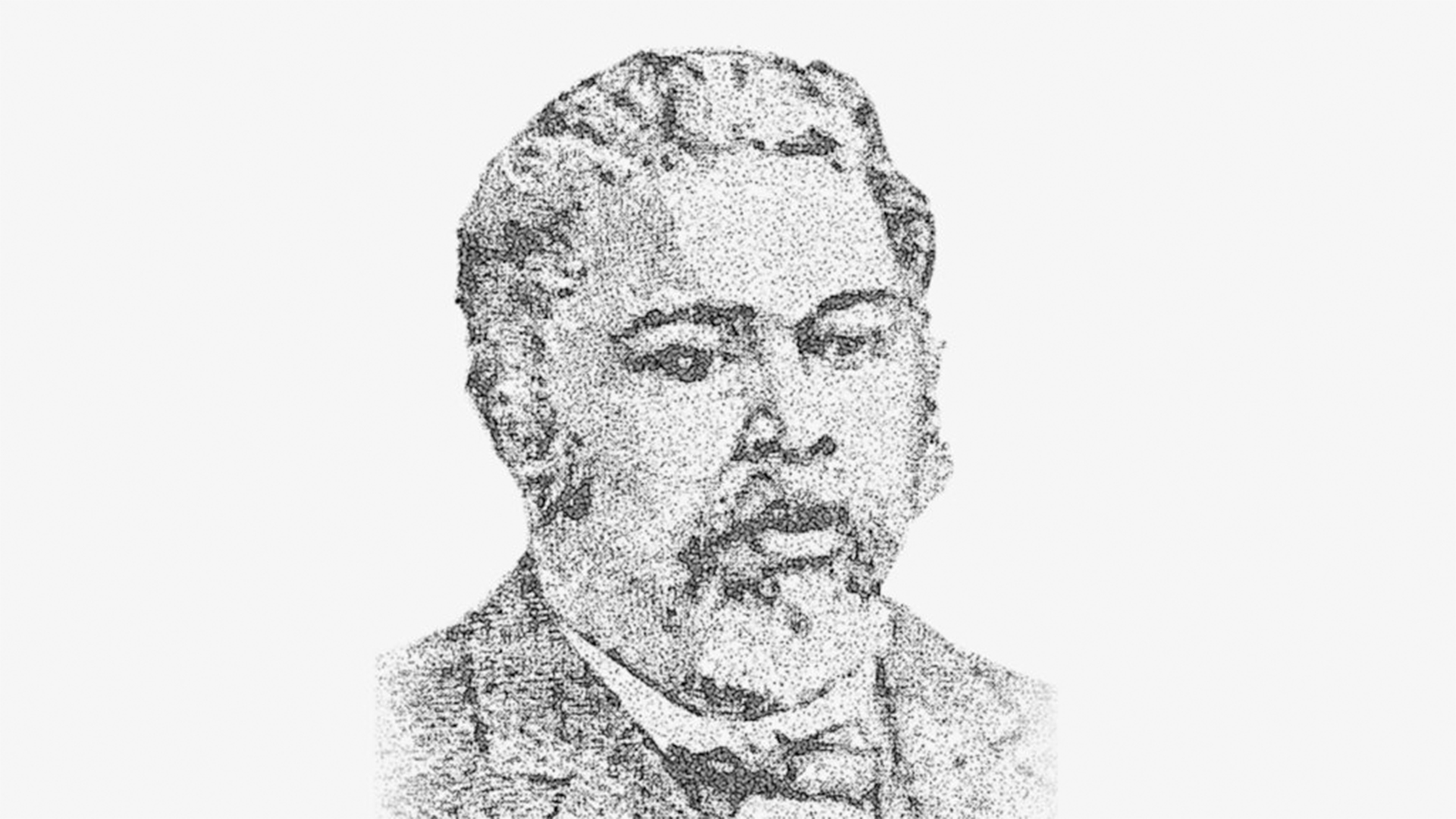
On Sunday, Feb. 1, North Carolina Baptists will join churches across the country in observing George Liele Church Planting, Evangelism and Missions Sunday. The day celebrates African American and Black pioneers whose lives continue to inspire gospel faithfulness and bold obedience.
This special Sunday invites churches to remember that the world’s greatest problem is still lostness, and God has entrusted His church with the good news of Jesus Christ. As we honor the legacy of those who went before us, we are reminded that their story continues through churches who plant and send today.
N.C. Baptists recognize the first Sunday in February as a time to celebrate the leadership and gospel impact of African American and Black pioneers such as George Liele, Lott Carey, S.M. Lockridge, Sid Smith and Fred Luter. Each of these leaders played a vital role in shaping missions, evangelism and denominational leadership, often amid hardship and sacrifice.
We honor their faithfulness not only by remembering their names, but by recommitting ourselves to the mission they lived for: making Christ known among all peoples.
George Liele: A missionary before the movement had a name
One of the most significant and often overlooked figures in the history of Christian missions is George Liele, a formerly enslaved man who many acknowledge as the first overseas missionary from the United States.
Liele came to faith in Christ in 1773 at the age of 23 and was baptized by his pastor, Matthew Moore. For two years, he shared Christ among enslaved people throughout Georgia and South Carolina.
After his former enslaver died in the Revolutionary War, Liele faced efforts to be re-enslaved and was unjustly imprisoned. He was eventually able to produce proper documentation concerning his freedom and was released. With the help of British army officer Moses Kirkland, Liele and his family departed for Jamaica in 1782 — 10 years before William Carey, recognized as the father of the modern missionary movement, left England.
A sending vision for the nations
In Jamaica, Liele encountered a population of enslaved people with little exposure to the gospel. He planted a church and held a public baptism service every three months. The ministry quickly drew attention — and opposition.
Liele was accused of sedition and imprisoned again. Although acquitted, he faced persecution. But the gospel advanced. Over eight years, Liele baptized more than 500 people and established a thriving congregation. By the early 1800s, Baptist witness in Jamaica had grown from a few thousand to tens of thousands, crossing ethnic and social boundaries.
Liele’s ministry also bore long-term social fruit. His gospel influence contributed to growing momentum that eventually led to the abolition of slavery in Jamaica in 1838.
He trained and encouraged new believers to carry the gospel beyond Jamaica, including to Savannah, Nova Scotia and Sierra Leone. His faith demonstrated that gospel movements grow when ordinary believers are equipped, empowered and sent.
Liele died in 1828, but his legacy lives on. He left behind a witness that continues to shape missions today.
George Liele Church Planting, Evangelism and Missions Sunday offers churches an opportunity to:
- Highlight African American and Black pioneers in missions and church leadership
- Teach on evangelism, church planting and God’s heart for the nations
- Pray for the sending of more African American and Black missionaries
- Encourage the next generation to say “yes” to God’s call
As we remember George Liele and those who followed his path, may our churches be renewed in gospel urgency and be ready to plant, send and proclaim until all hear.
Learn more about Liele and find resources for observing George Liele Church Planting, Evangelism and Missions Sunday at imb.org/george-liele.
EDITOR’S NOTE — This article was adapted from resources provided by the International Mission Board.