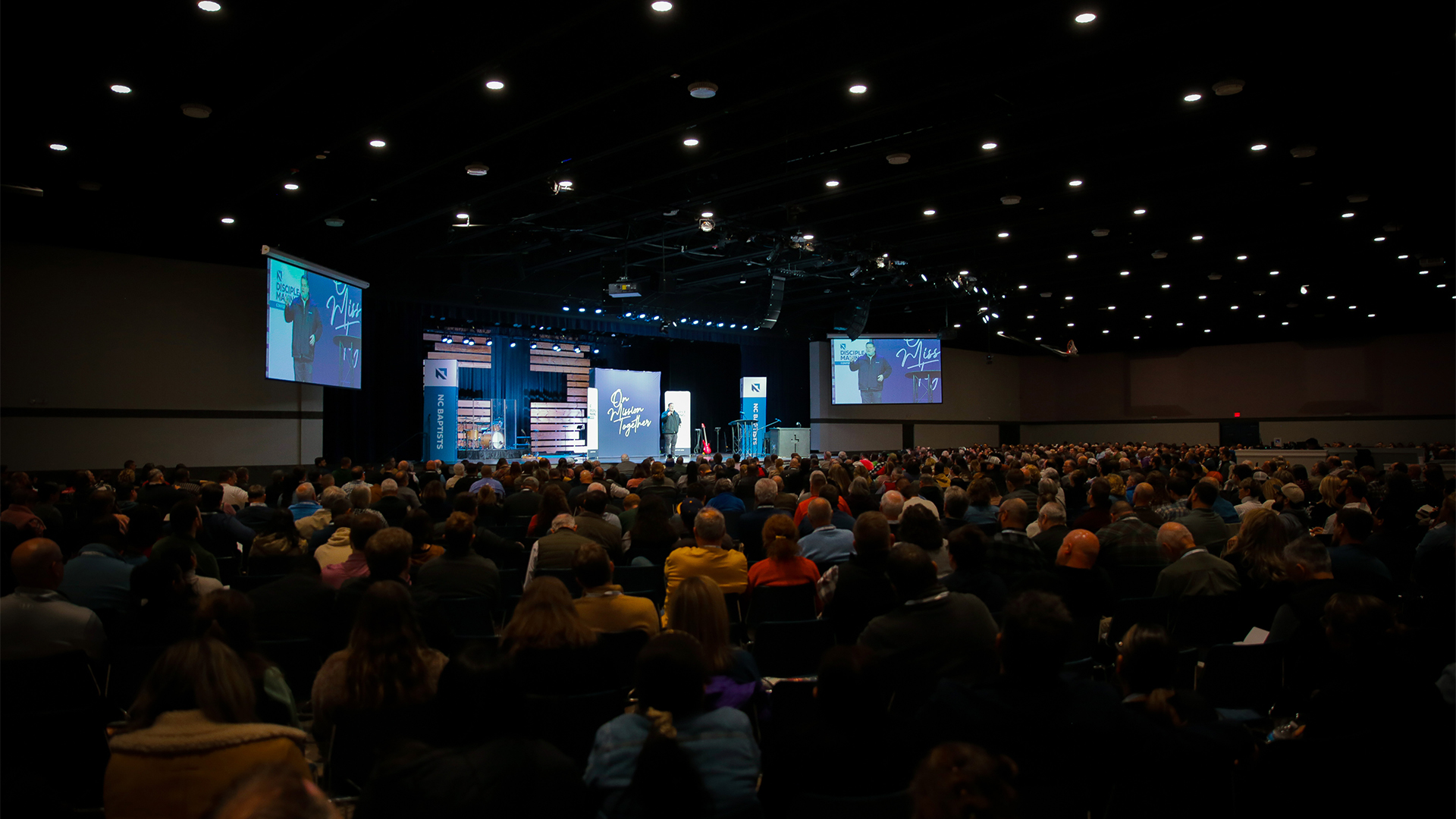
In a society marked by generational shifts, digital influence and renewed spiritual curiosity, speakers at the 2026 N.C. Baptist Disciple-Making Conference urged church leaders to thoughtfully engage today’s culture while standing firm on the unchanging gospel of Jesus Christ.
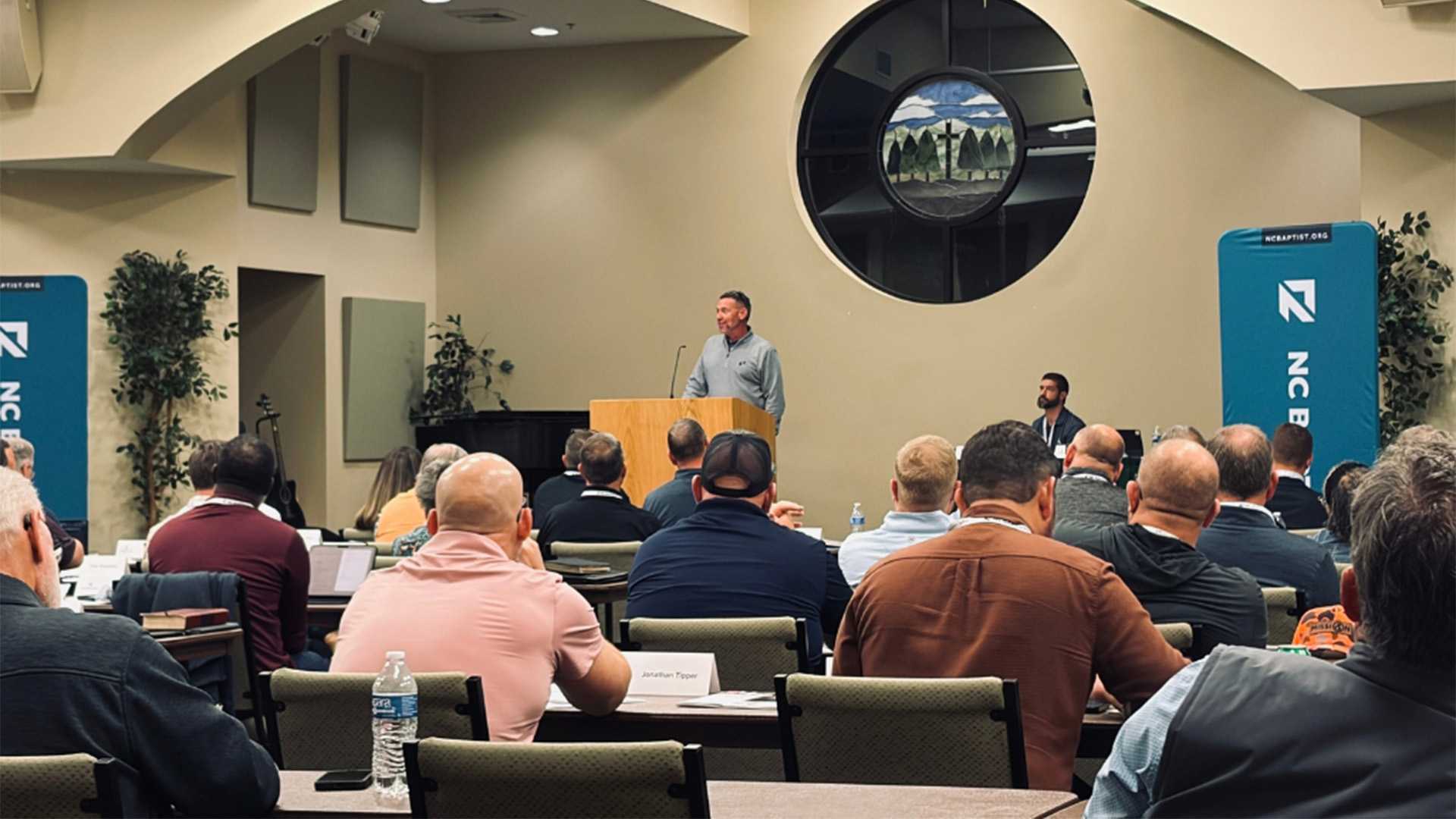
Nearly 1,400 attendees from across North Carolina gathered at Hickory Grove Baptist Church on Tuesday, Feb. 24, for a day focused on ministry encouragement, training and equipping. The event brought together pastors, church staff and lay leaders seeking biblical and practical insights and applications related to disciple making.
Two keynote messages bookended the conference that also included more than 50 breakout session offerings from a variety of ministry leaders.
The keynote addresses highlighted complementary approaches to help churches engage a changing spiritual landscape by encouraging cultural awareness and biblical conviction.
Understanding the culture
Mark Matlock, senior fellow with the Barna Group, opened the conference by walking attendees through the generational overview from the Silent Generation to Gen Alpha. Matlock noted that each generation has been formed by distinct cultural influences that have shaped how each group approaches big ideas like identity, belonging and truth.
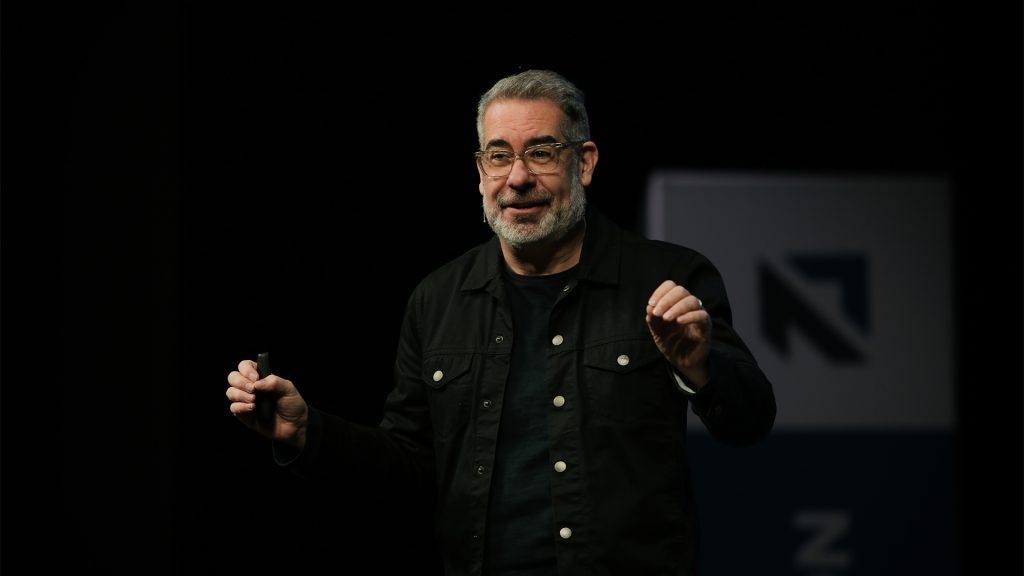
While the core human questions remain the same — Who am I? Where do I fit in? What is true? — Matlock said today’s young people are navigating those questions in an environment saturated with options, thanks to digital platforms. Those platforms provide instant access to competing worldviews, making exploration easier, and more confusing, than ever. Matlock described this new online world as a “digital Babylon,” drawing on the biblical symbolism of Babylon as a place of pluralism and mixed beliefs.
“Discipleship and evangelism looks very different in Jerusalem than it does in Babylon,” Matlock said. “But we in the church are doubling down on these methods in Jerusalem, and we are not adapting to the fact that we are now living in Babylon.”
Yet amid the pluralism and confusion lies opportunity.
Matlock cited research indicating that 74% of U.S. adults say they want to grow spiritually, which includes a majority of those who are unchurched. He described these individuals as “spiritually curious” and open to exploring meaning, purpose and the concept of God while remaining cautious about organized religion and resistant to simplistic answers.
He pointed to the apostle Paul’s approach to interacting with curious listeners in Acts 17 as a potential model for engaging with others today. Before proclaiming Christ, Paul found common ground by acknowledging an altar to an “unknown god.”
The challenge for churches, Matlock said, is not to try to win arguments but to engage with questions patiently, thoughtfully and relationally. He warned that Christians often have a higher “need for closure” than spiritually curious individuals, which can unintentionally shut down exploration and conversation.
Instead, Matlock encouraged leaders to assume a spiritual backstory in every person, listen for longings beneath their objections and trust that the Holy Spirit is at work in their life.
Anchored in the gospel
While Matlock explored the cultural context of disciple making, Landon Dowden, pastor and professor at Southeastern Baptist Theological Seminary, closed out the conference by focusing on several theological foundations for discipleship.
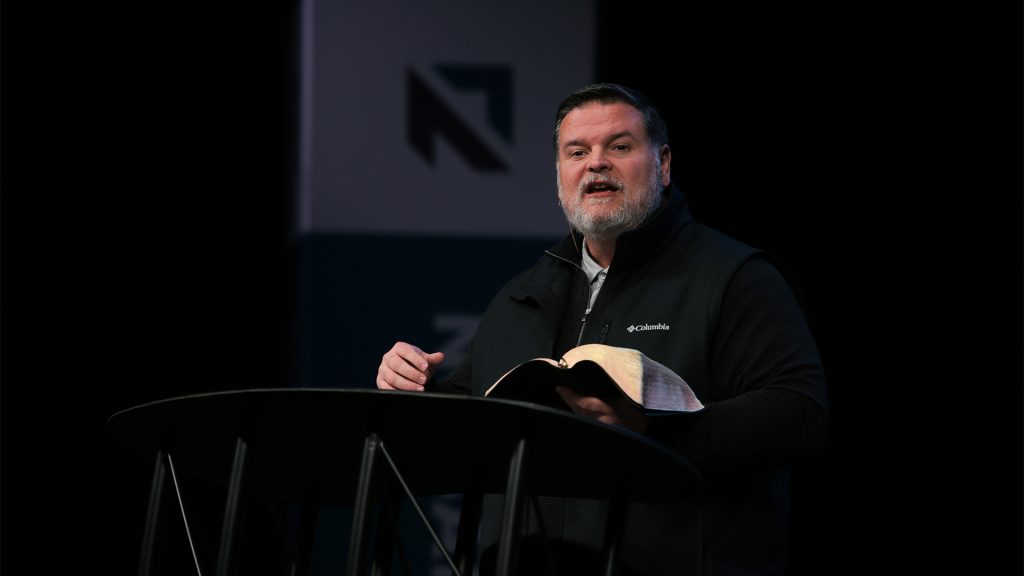
Preaching from Colossians 1-2, Dowden centered his message on “The Precious Ministry of Disciple Making.” He encouraged attendees to view discipleship as both a sacred responsibility and a relational practice rooted in the gospel.
Dowden emphasized that Christians aren’t just called to be disciples but to make disciples. He said discipleship is not accidental, but it’s intentional and costly. He defined discipleship as “intentionally helping others gratefully grasp the gospel, gratefully grow in the gospel and gratefully go with the gospel.”
Dowden structured his message around three main pillars: certainties of discipleship, concerns of discipleship and considerations of discipleship.
Drawing from the Great Commission found in Matthew 28, Dowden outlined five certainties about discipleship. He said the mission, means, message and motive of discipleship will never change. However, the opportunity to make disciples will come to an end.
“Jesus says ‘I’ll be with you until the end of the age,’ but friends we are one day closer to the end of the age,” Dowden said. “You and I are one day closer to one of two things — either Christ’s return or our one death. The opportunity to make disciples will come to an end.”
Dowden also noted four concerns for discipleship. They were: not getting the Word of God or the whole counsel of God; receiving the gospel for justification but not equipped in the gospel for sanctification; rigid disciplines and reciting doctrines but never fueling relational delight; and an eagerness to share what we learn but not share our lives.
Dowden also highlighted several considerations of discipleship. Dowden urged attendees to consider the price, praise, prayer, privilege, process, purpose, power and product of discipleship.
Leaving encouraged
Drew Dabbs, N.C. Baptist disciple-making strategist, said the goal of the conference was to equip every church to engage every generation with the gospel. Dabbs said he and other attendees he talked to left the conference feeling encouraged by what was shared.
“I heard a lot of conversations after the first session about next-gen ministry with the research that Mark shared and what it means for churches,” Dabbs said. “Landon closed out the conference reminding us of gospel hope and gospel confidence.
“Hearing the research and looking at a culture that seemingly knows nothing about Jesus can be very intimidating. But I loved the reminder that it’s not about us, but it’s about Jesus.
“God wants to do the work, and our job is to join Him.”
By Chad Austin, BR Managing Editor