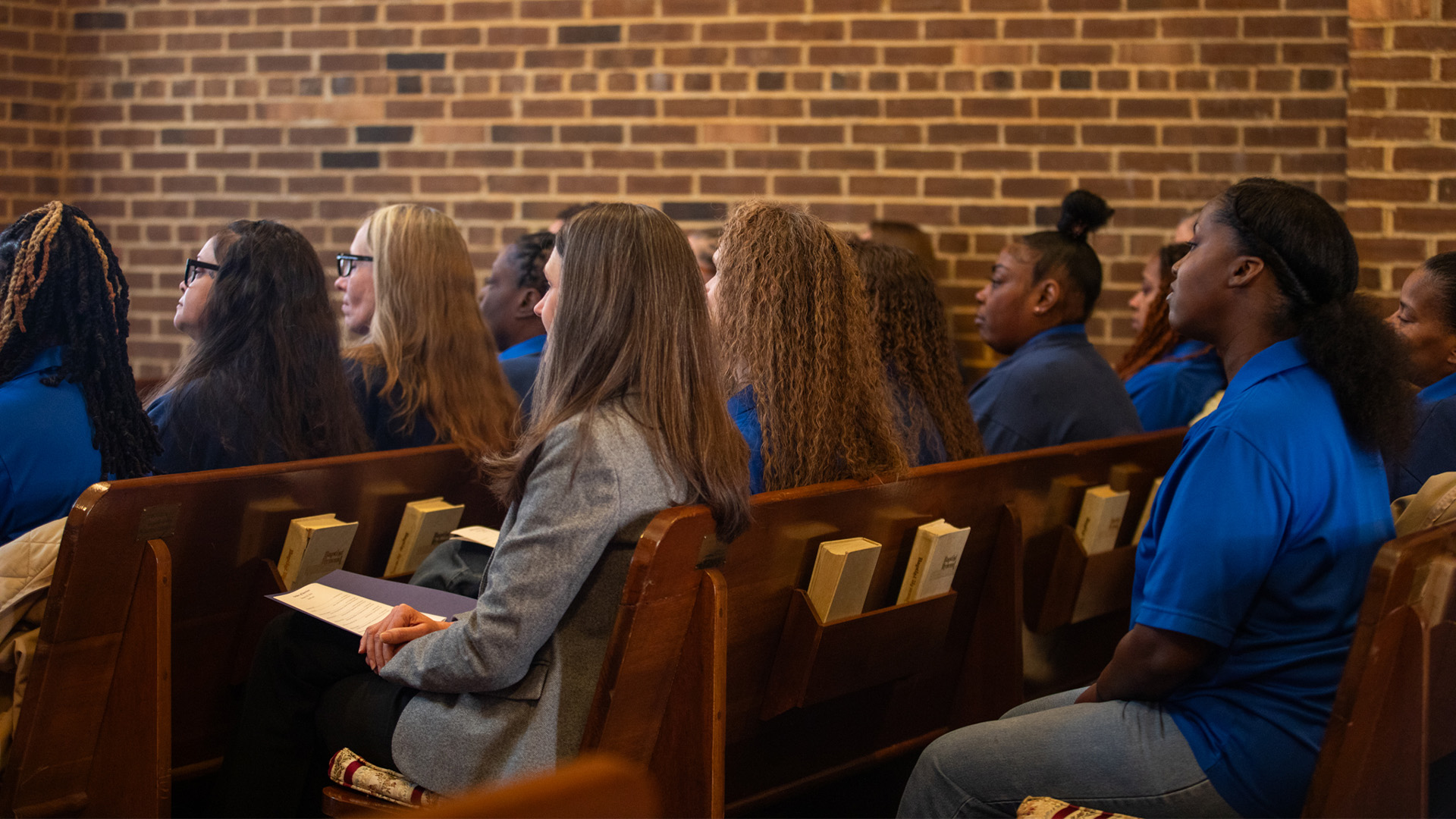
Rather than focusing on indulgence, biblical self-care emphasizes intentional habits that nurture a healthy walk with God and others.
Although self-care isn’t new, the past five years have witnessed a notable increase in conversations related to self-care. According to Google Trends, April 2020 marked a peak in search popularity for the term self-care. Through ebbs and flows of the past five years, the term’s popularity has remained notably higher than in the previous decades.
This term tends to be a bit of a chameleon, but in the context of biblical self-care, it’s not so much about “treating yourself” as it is about establishing rhythms and practices that contribute to your well-being. This impacts the ways believers relate to God, their families, their churches and their communities.
Although cultural conversations about self-care aren’t always “spiritual” — much less distinctly Christian — for the Christian, self-care practices and spiritual practices often closely relate. A person’s relationship with God ought to impact their overall wellness.
The State of the Bible report from American Bible Society, measured five self-care activities: physical exercise, spending time with a friend, volunteering, meditation and prayer. When asked whether they had engaged in any of these activities in the last seven days, 2 in 3 Americans said they had engaged in physical exercise (67%) and spent time with friends (66%). Slightly fewer said they had prayed to God (60%). Just over 1 in 3 (35%) said they had meditated. And fewer than 1 in 5 said they had volunteered in their community (17%).
Pastoral struggle with self-care
In Lifeway Research’s Greatest Needs of Pastors study, pastors admitted they struggled to practice self-care related to three of these categories in particular: physical exercise, spending time with a friend and prayer.
When asked about their self-care, 3 in 5 (59%) pastors say consistently exercising is a challenge they face, and 1 in 4 (24%) pastors say consistently exercising is the most challenging self-care need they have. Physical exercise is not a self-care luxury but something God designed the human body for. Yet many pastors struggle to consistently steward their bodies through movement.
Friendship and prayer both fall under the category of spiritual needs in the Greatest Needs of Pastors study. Pastors are quick to identify spiritual needs in their lives. And consistency in personal prayer (72%) and friendship and fellowship with others (69%) are the two needs pastors most commonly cite.
When asked which spiritual need is the most important for them to invest in right now, a quarter point to consistency in prayer (24%). While fewer than 1 in 10 (9%) pastors indicate friendship and fellowship with others is the top spiritual need they face, the reality that nearly 7 in 10 say they need to invest in friendships is telling. Spending time with friends may be a self-care practice, but it is also a way of life God designed humans for.
Exercise, friendships and prayer may be difficult for pastors for a variety of reasons, but a failure to engage in these practices will likely impact their well-being.
Self-care’s impact on well-being
The State of the Bible study uses four items to measure well-being: stress, anxiety, loneliness and hope. Americans who said they had exercised, spent time with a friend or prayed in the last seven days reported lower levels of stress, anxiety and loneliness and more hope than those who had not.
While correlation does not equal causation, the research clearly indicates a relationship between these self-care practices that are challenging for pastors and personal well-being. Self-care practices such as physical exercise, time with friends and prayer aren’t a golden ticket to personal well-being. However, God may use a pastor’s intentional investment in these areas to move the pastor toward health. And health and well-being are not only good for the pastor but also impact every other relationship in the pastor’s life.
Pastors may be tempted to view self-care as selfish, but these self-care practices (that pastors admit they need to invest in) — exercise, time with friends and prayer — ought to be intertwined into the lives of every believer. In exercising, pastors choose to be good stewards of the bodies God has given them. In living in relationship with friends, pastors live out God’s design for community. And in prayer, pastors commune with the God who loves them.
As it turns out, these practices are not only intricately connected to the Christian faith, but they’re also associated with personal well-being. And moving toward health isn’t selfish. God uses healthy pastors to lead healthy churches.
Bible reading as a form of self-care
The five self-care practices studied in this report are not the only practices associated with greater levels of well-being. When the American Bible Society studied the well-being levels of those who reported using the Bible at least weekly, the results indicated another correlation. Similar to those who practice self-care activities like physical exercise, time with friends and prayer, those who use the Bible on their own at least weekly report less stress, anxiety and loneliness and more hope than those who do not use the Bible at this frequency.
The Christian does not go to the Bible in order to lower stress, anxiety and loneliness and increase hope. The Christian goes to the Bible to engage in a relationship with the living God. And as they do, they may just find their stress and anxiety decrease as their faith and confidence in the sovereignty of God increase or that their feelings of loneliness ease as they remember God’s presence or that their hope is fortified as they view the biblical vision of a glorious future.
What if self-care is really about soul-care? And what if soul-care is really about walking in relationship with God? Self-care doesn’t have to be a bad word for pastors. What if prioritizing your personal walk with the living God is the self-care you need to help you move toward a state of health and well-being that blesses not only yourself but everyone you love, lead and interact with?
By Marissa Postell Sullivan, Lifeway Research
EDITOR’S NOTE — This article was originally published on LifewayResearch.com. Marissa Postell Sullivan is the managing editor for Lifeway Research.