Demonstrations can arrive without warning. A recent protest that disrupted a Sunday service in Minnesota underscores the need for pastors and church leaders to be prepared to respond with wisdom and care.
Demonstrations can sometimes come unexpectedly to a church’s front door.
During a morning service Jan. 18, protestors at Cities Church in St. Paul, Minn., alleged that one of the church’s pastors was affiliated with U.S. Immigration and Customs Enforcement. Incidents like this raise questions for church leaders: How should they prepare for demonstrations, respond in the moment, and care for their congregation and community afterward?
North Carolina Baptists with law enforcement experience offer practical guidance to help churches navigate these situations with clarity and compassion.
Before an event occurs:
- Familiarize yourself with what the law clarifies. A person who enters or remains on the premises of another after he/she has been notified not to enter or remain by a person in authority, is guilty of a Class 3 misdemeanor (North Carolina G.S. 14-159.13 – Second Degree Trespass).
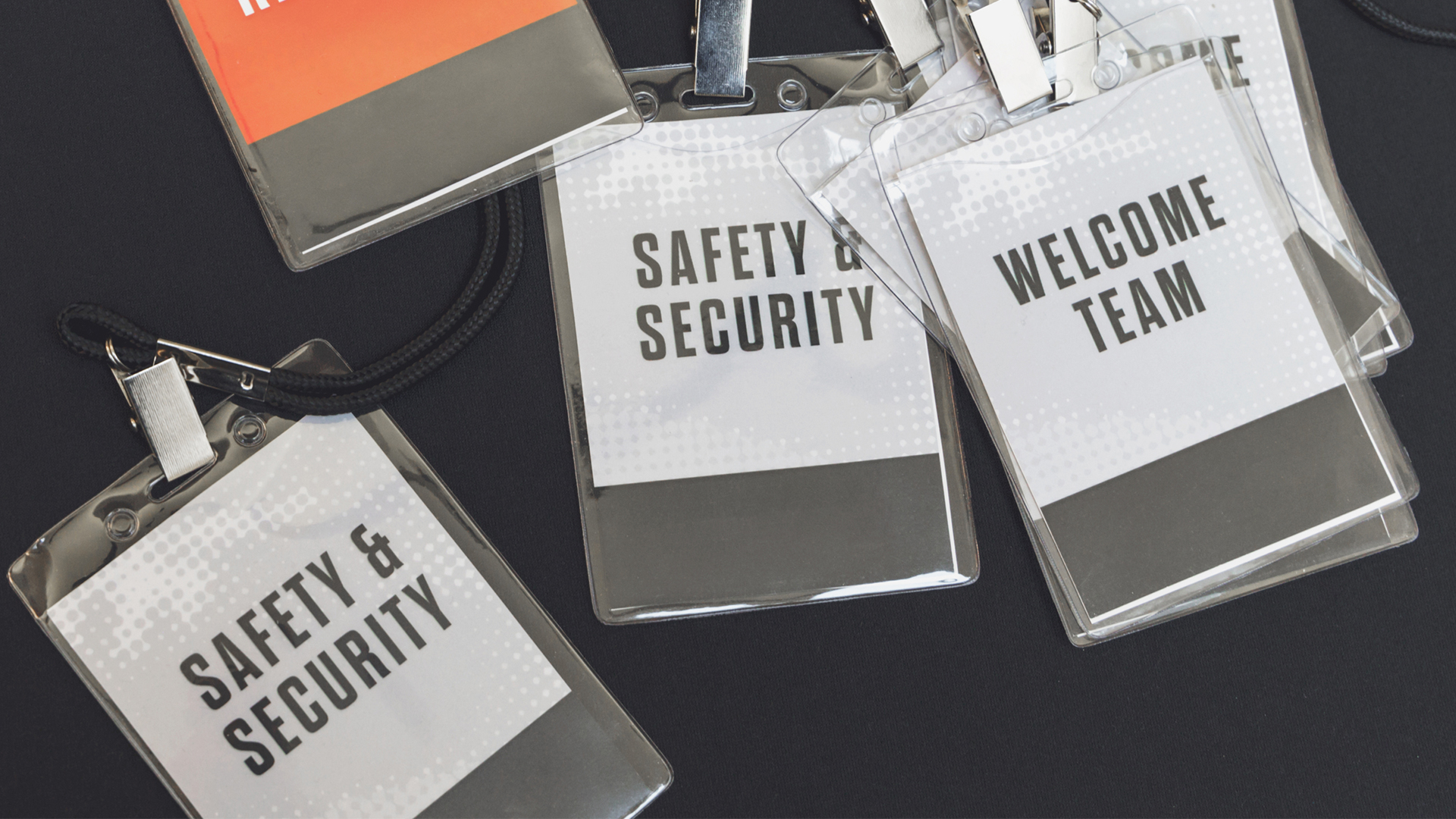
- Establish a security team made up of existing leaders, greeters, ushers and guest services personnel.
- Train these individuals to both serve those who show up to church and to observe the people and happenings around them. (Their primary task as a security team is to observe and report.)
- Identify security team members by a vest, name badge or shirt.
- If something looks wrong, out of place or suspicious, don’t ignore it. Be vigilant. If you see something, say something.
- Establish a clear leader to whom others report issues, incidents or suspicious activity. Train that leader to make real-time decisions to appropriately handle situations that arise.
- If you learn of a planned protest, alert local police. Give them as much notice as possible so they can be prepared.
- Consult with local law enforcement authorities on basic do’s and don’ts to ensure you are following their guidance. Invite them to talk to your security team.
If a protest or demonstration occurs:
- Call authorities and allow local law enforcement to manage the situation and maintain safety, so church leaders can remain focused on caring for those gathered for worship.
- Do not confront protestors. Minimize the distraction by giving the protestors as little attention as possible. Don’t respond to protesters. Reduce the chances of a protest or demonstration growing into something more destructive.
- Treat demonstrators with grace and respect, always attempting to deescalate the moment. This may be an opportunity to show and share the love of Christ. Remember the biblical principle, “Strive for peace with everyone, and for the holiness without which no one will see the Lord” (Hebrews 12:14).
- Protect people, and secure the facilities. It’s important not to ignore a demonstration. Concern for the safety and security of those attending church requires you to manage the situation appropriately.
- Communicate to your congregation to remain calm, let them know that the proper authorities are handling the situation, and caution them not to engage with protestors. Remind those attending of your mission to love God, love people (including demonstrators) and make disciples.
- Keep your message on point. The media will likely become involved if a protest occurs.
- Have only one person designated as the official spokesperson for your church, and make sure their name is communicated to the staff and congregation.
- Use this as an opportunity to convey your mission, not to debate, criticize or respond to the protestors. Focus any comments on the church’s mission and identity.
- Craft a press release that is simple and concise, communicating your mission and identity as a church body and stressing concern for the safety of the congregation and the public.
The book of Proverbs gives caution that a quarrelsome person can fuel strife like wood fuels a fire (Proverbs 26:22). While we hope no church has to deal with demonstrations, a good plan accompanied by preparation, communication and training can help stop the fire before it even starts.
Sources: Dave Heller, Associational Mission Strategist, Columbus Baptist Association; Cory Smith, Pastor, First Baptist Church Hildebrand; Eddie Eaton, Pastor, Wrightsboro Baptist Church; Rick Hughes, Chaplain and Crisis Response Specialist, City of King Police; Brotherhood Mutual
EDITOR’S NOTE— For an additional resource on church security, download “Setting Up a Security Team.” This article was originally published on June 14, 2022 and has been updated with revisions.